What to Expect During a Commercial Carpet Installation Project
People searching for commercial carpet installation are usually looking to upgrade or replace flooring, and local service providers can handle the entire process smoothly and professionally.
Understanding what to expect during a commercial carpet installation project can help property owners feel more confident and prepared for the process. Whether upgrading an office space, retail store, or other commercial environment, knowing the typical steps involved-from initial site assessment to the final walkthrough-can make the experience smoother. Local contractors specializing in commercial carpet installation are well-versed in these procedures and can provide the expertise needed to ensure the project runs efficiently and meets expectations.
Property owners in the area often explore this topic to minimize disruptions, select the right materials, and ensure a professional finish. Engaging with experienced service providers can help clarify what happens during each phase of the installation, from surface preparation to the actual laying of the carpet. As a result, they can better plan their schedules and make informed decisions about their flooring needs, knowing that local experts are ready to handle the job with quality craftsmanship.
- Site assessment - when a business needs a professional evaluation of their space to determine the best carpet options, local contractors assess the area and prepare for installation.
- Subfloor preparation - if the existing floor requires smoothing or repairs, local service providers handle the necessary prep work to ensure a proper installation surface.
- Carpet installation - during a new or replacement project, local pros measure, cut, and lay the carpet to meet the specific layout and design needs.
- Edge finishing - when a clean, professional look is desired, local contractors finish edges and seams to ensure durability and aesthetic appeal.
- Cleanup and inspection - after installation, local service providers conduct a thorough cleanup and inspect the work to confirm it meets quality standards.

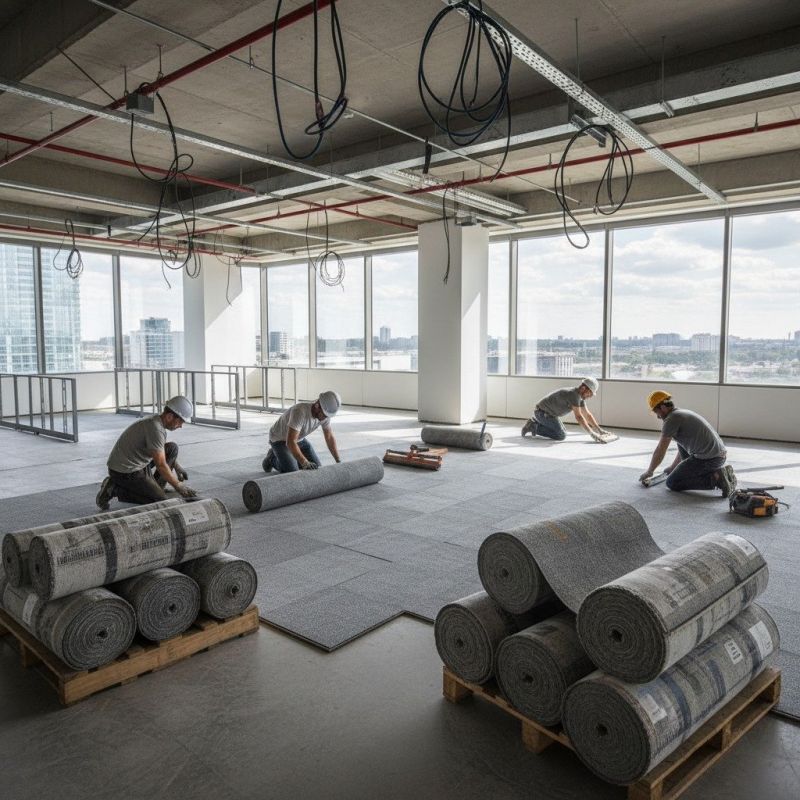
When searching for information on what to expect during a commercial carpet installation project, most people are looking to understand the overall process involved in upgrading or replacing flooring in business or institutional settings. This often relates to plans for renovating office spaces, retail stores, healthcare facilities, or other commercial properties that require durable, professional-grade flooring. Homeowners or property managers want to know how the work will be scheduled, what kind of disruption might occur, and how the installation process will affect daily operations. Understanding these aspects helps them coordinate their projects smoothly and ensures the chosen service providers can deliver a seamless transition from old to new flooring.
Commercial carpet installation projects are typically connected to broader property improvement or renovation plans. These projects often involve addressing issues like worn-out flooring, outdated aesthetics, or the need for more durable surfaces to withstand high foot traffic. Problems such as uneven subfloors, moisture concerns, or the presence of existing flooring materials can influence how the installation proceeds. Many property owners also consider factors like fire safety, sound absorption, and maintenance when planning their carpet upgrades. Local contractors experienced in commercial flooring are familiar with these challenges and can help develop a plan that ensures the new carpet not only looks good but also performs well in the specific environment.
The types of properties that frequently require commercial carpet installation include office buildings, retail outlets, restaurants, medical clinics, and educational institutions. These spaces often see heavy daily use, making durability and ease of maintenance top priorities. In some cases, properties may need specialized carpets, such as stain-resistant or soundproof options, to meet operational needs. The layout and size of these properties can vary widely, from small boutique shops to large corporate campuses. Local service providers understand the unique demands of each property type and can recommend the best carpet solutions to match the space’s purpose, traffic levels, and aesthetic goals.
During a typical commercial carpet installation project, property owners can expect a series of practical steps managed by local pros. The process usually begins with a site assessment, where the contractor evaluates the existing flooring, subfloor condition, and any potential obstacles. Preparation work, such as removing old carpet, repairing subfloors, and cleaning the area, is essential to ensure a smooth installation. Once the space is ready, the new carpet is carefully laid out, cut, and secured, often with minimal disruption to the property’s daily activities. After installation, the area is cleaned and inspected to confirm that the job meets the agreed standards. Throughout this process, experienced local contractors coordinate closely with property owners, helping to ensure the project proceeds efficiently and results in a durable, professional-looking finish.
Flooring Preparation Projects - these involve surface cleaning, leveling, and subfloor repairs that are essential steps before commercial carpet installation, requiring similar planning and surface assessment skills from local contractors.
Office or Retail Space Renovations - remodeling projects often include new flooring installations, where understanding space layout and material handling parallels the skills needed for commercial carpet setup.
Commercial Flooring Replacement - replacing outdated or worn flooring involves removal and disposal processes comparable to those used during carpet installation, with an emphasis on surface preparation and material handling.
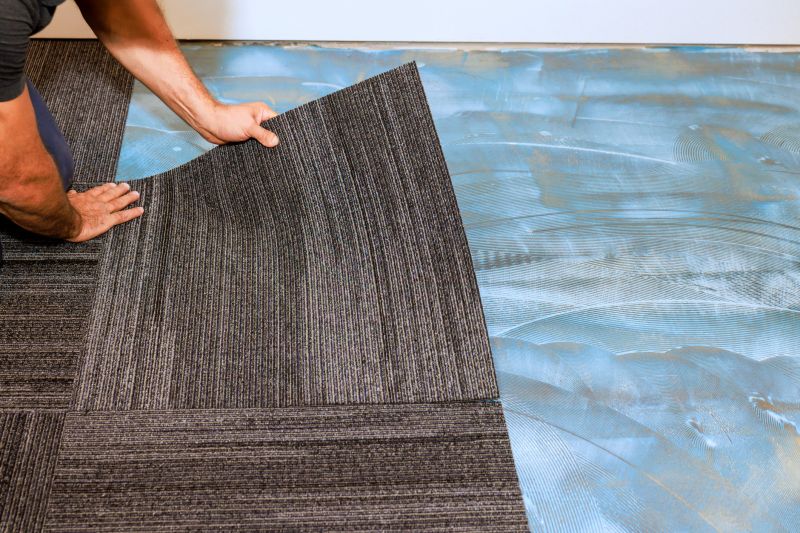
Carpet Tile Installation Services - installing carpet tiles shares techniques related to layout planning, adhesive application, and surface preparation, making these projects relevant to commercial carpet installation.
Subfloor Repair Projects - repairs to uneven or damaged subfloors are critical to ensuring a smooth, durable carpet surface, requiring similar expertise in surface assessment and preparation from local service providers.
Interior Office Space Upgrades - upgrades that include new flooring and surface finishing involve planning and surface preparation skills that align with the requirements for commercial carpet installation projects.

When evaluating commercial carpet installation services, it is important for homeowners to consider the experience of local contractors with similar projects. An experienced service provider will have a track record of handling commercial spaces comparable in size and use, which can help ensure the installation process proceeds smoothly and efficiently. Asking about past projects or seeking references can provide insight into their familiarity with the specific challenges that might arise during a commercial carpet installation, such as dealing with existing flooring or complex layouts.
Clear written expectations are essential for a successful project. Homeowners should look for service providers who can provide detailed estimates and scope of work, outlining each step of the installation process. This transparency helps prevent misunderstandings and ensures everyone is aligned on the project's scope, timeline, and responsibilities. Good communication from the start can also make it easier to address any questions or concerns that may come up during the process, leading to a more predictable and stress-free experience.
Reputable references and strong communication are key indicators of a reliable commercial carpet installation service. Service providers with positive feedback from previous clients often demonstrate professionalism and a commitment to quality work. Additionally, clear and consistent communication throughout the project can help keep homeowners informed about progress and any potential issues. When comparing local contractors, it is beneficial to inquire about their reputation and how they handle client interactions, as these factors contribute significantly to a smooth installation experience and overall satisfaction with the project.
Property owners often search for what to expect during a commercial carpet installation project when they are planning practical projects around their homes and businesses. Local pros provide Commercial Carpet Installation services for everyday jobs and straightforward project options.

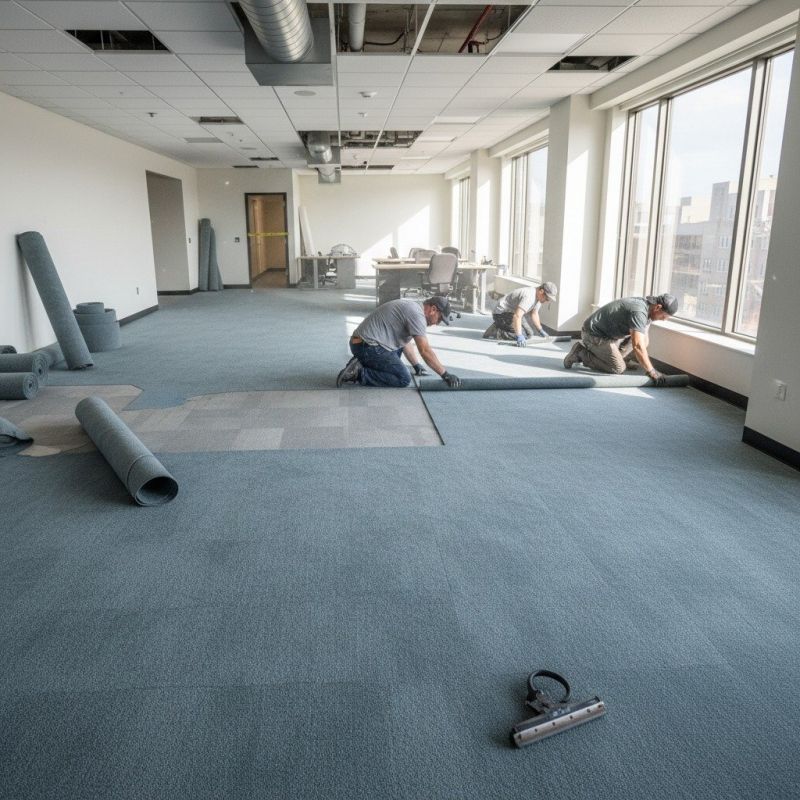
During a commercial carpet installation project, property owners can expect a series of routine steps that help ensure a smooth process. Typically, local contractors will start by preparing the space, which may include clearing the area and removing existing flooring if necessary. During the installation, it’s common to encounter minor disruptions, such as noise from equipment or brief periods of restricted access to certain areas. These are normal parts of the process that help ensure the new carpet is properly laid and secured, leading to a professional finish that enhances the space’s appearance and functionality.
Many property owners seek out commercial carpet installation services to improve their business environment or update a commercial space efficiently. Understanding what to expect during a commercial carpet installation project can help set realistic expectations and reduce potential concerns. Local service providers are experienced in managing these projects, which often involve coordinating with building schedules and ensuring minimal downtime. They handle the details of the installation process, allowing property owners to focus on their daily operations while knowing that the work is being managed by professionals familiar with the typical stages of commercial carpet installation.
What should I expect during a commercial carpet installation project? During a typical project, local contractors will prepare the space by clearing and cleaning the area, then proceed with measuring and installing the carpet, which may involve padding and seam placement. They will ensure the carpet is properly secured and finished for a professional look.
Will there be any disruption to my business during installation? Some disruption is common, as contractors might need to move furniture or work in sections to complete the installation efficiently. They usually coordinate to minimize impact on daily operations.
How do local service providers handle the preparation before installation? Local pros generally assess the space for any issues, remove old flooring if necessary, and prepare the subfloor to ensure a smooth, even surface for the new carpet.
What kind of equipment or tools do installers use during the project? Installers typically use professional tools like carpet stretchers, seam cutters, and adhesive applicators to ensure a secure and seamless installation.
What should I do to prepare my space for the installation? It’s recommended to clear the area of furniture and personal items beforehand, and inform the service provider of any specific concerns so they can plan the installation accordingly.
Preparing the space - Property owners should clear furniture and obstacles to help local contractors work efficiently during the installation process.
Understanding the process - Knowing what steps are involved can help property owners plan for minimal disruption and coordinate any necessary access.
Choosing the right carpet - Selecting appropriate materials and styles ensures the new carpet meets the specific needs of the space and usage.
Post-installation considerations - Being aware of any recommended maintenance or care instructions can help maintain the carpet’s appearance after installation.
If you are thinking about what to expect during a commercial carpet installation project for a property, this guide is meant to help you understand this topic, the typical project types, and how different options might fit your plans.
When you are ready, you can use the quote form on this page to share a few details about your project. From there, local pros can review the basics and follow up with options that match what you have in mind.